PSA Grading for Pokemon Cards: Cost, Process & Turnaround Times (2026)
PSA grading authenticates a Pokemon card, assigns a condition grade from 1 to 10, and seals it in a tamper-evident holder. As of August 10, 2026, PSA’s direct online card service starts at $79.99 per card for Regular because the lower-priced Value services are temporarily paused. Shipping, insurance, supplies, possible membership, and international carrier or customs fees are extra.
This page covers the cost and submission process. If your real question is whether a specific card has enough value to justify grading, use the separate PSA grading break-even guide.
PSA Grading Cost in 2026
These are the service levels shown on PSA’s official card-grading page when this guide was updated:
| Service | Price per card | Maximum insured value | PSA estimated turnaround |
|---|---|---|---|
| Regular | $79.99 | $1,500 | 40–50 business days |
| Express | $149 | $2,500 | 20–30 business days |
| Super Express | $349 | $5,000 | 7–10 business days |
| Walk-Through | $599 | $10,000 | 5–7 business days |
PSA says its turnaround estimates are not guaranteed and begin only after an order is received and scanned into the facility. The company also says service availability, prices, and processing times can change. Check the official page immediately before creating an order.
What happened to Value and Value Bulk?
PSA’s submission update page currently says Value services are temporarily paused because of demand. Do not build a submission budget around an older $25–$50 headline price unless that service is actually available in your account when you submit.
Your Real Total Cost
The service fee is only one part of the landed cost:
total cost = PSA service fees
           + outbound insured shipping
           + PSA return shipping
           + sleeves and semi-rigid holders
           + membership or group-submitter fees, if applicable
           + carrier, customs, or tax charges for international orders
For a direct Regular submission while Value is paused, the grading-fee portion alone is:
| Cards | Grading fees before shipping and extras |
|---|---|
| 1 | $79.99 |
| 5 | $399.95 |
| 20 | $1,599.80 |
Sending more cards spreads the two-way shipping cost across the order, but it does not make a weak grading candidate profitable. Calculate the expected value card by card.
How PSA Grading Works
PSA describes three core stages: authentication, grading, and encapsulation.
- Authentication: graders check whether the card is genuine and look for alteration such as trimming or recoloring.
- Grading: an authentic card is evaluated on PSA’s 1–10 condition scale.
- Encapsulation: the card is sealed in a holder with its grade and certification number on the label.
A PSA 10 is Gem Mint; it is not the same thing as a marketplace seller calling a raw card “Near Mint.” Small surface, edge, corner, or centering defects can keep an apparently clean card below a 10.
How to Submit Pokemon Cards to PSA
1. Identify the exact card and variant
Record the set, card number, language, edition, and foil variant. A reverse holo, first-edition print, or Master Ball pattern can have a different market value from the regular card.
2. Check raw and graded prices
Compare the raw card’s current market value with recent sales for the grade you realistically expect. Eyevo can identify the exact card and show raw and graded market evidence, but it does not assign an official PSA grade or guarantee a predicted grade.
Use the PSA-graded Pokemon card price guide to avoid comparing a raw listing with the wrong slab grade.
3. Inspect condition under strong light
Check both sides for:
- centering;
- corner wear;
- edge whitening;
- scratches, print lines, dents, and stains;
- creases, bends, trimming, or other alteration.
The Pokemon card condition guide gives a repeatable NM/LP/MP/HP checklist. Pre-screening cannot promise a PSA result, but it can stop obvious low-grade cards from consuming an expensive submission slot.
4. Choose the service level by value
Each PSA tier has a maximum insured value. Use a tier that covers the card’s expected value after grading, not only its raw purchase price. Faster service is useful for high-value or time-sensitive cards; it does not improve the grade.
5. Create the order online
PSA says its Online Submission Center is the required starting point for mailed card submissions. Enter the cards in the order requested, choose the service level, print the confirmation pages, and follow the address and carrier instructions generated for that order.
6. Pack the cards in the same order
PSA’s official packing guide recommends a soft sleeve inside a sturdy semi-rigid holder such as a Card Saver. PSA advises against top loaders, hard acrylic cases, and screw-down holders. Keep the cards in submission-form order, place them between slightly larger pieces of cardboard, protect the bundle with packing material, and use a sturdy box.
7. Ship with tracking and appropriate insurance
Follow the carrier and address shown on the completed submission. Keep photographs, card identifiers, proof of value, the tracking number, and copies of all paperwork. Do not understate a valuable shipment simply to reduce a fee.
8. Track the order and verify the return
The advertised turnaround is only PSA’s processing estimate. Add outbound transit, intake, and return transit to estimate the door-to-door timeline. When the order returns, verify each certification number and inspect the holder before storing or selling the card.
How Long Does PSA Grading Take?
With the August 2026 direct tiers, PSA’s processing estimate ranges from 5–7 business days for Walk-Through to 40–50 business days for Regular. Your actual elapsed time is longer because the clock does not include every shipping and intake step, and PSA explicitly says estimates can change.
Choose a service based on insured value and economic urgency. Paying for speed makes sense when delayed access to a valuable card costs more than the tier upgrade—not because a faster tier grades more generously.
Is PSA Grading Worth the Cost?
Use a probability-weighted calculation instead of assuming a 10:
expected graded value
− raw card value
− all grading and shipping costs
− selling fees and risk buffer
= expected upside
If the result only works at PSA 10, the submission is fragile. Compare the likely PSA 8, 9, and 10 outcomes. Personal-collection value is different: protection, authentication, and presentation may justify the cost even without a resale profit.
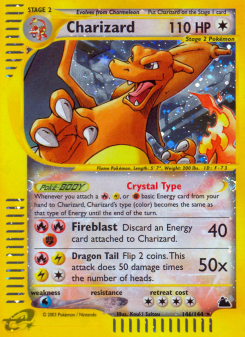
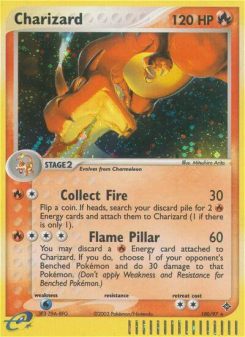
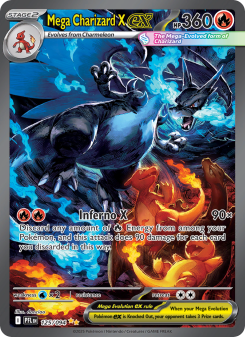
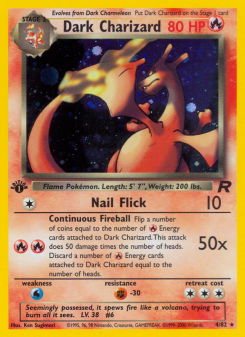
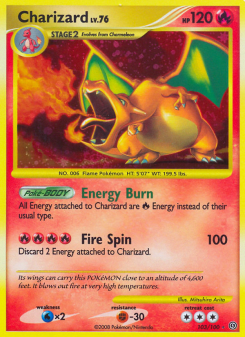
Charizard Cards to Pre-Screen Carefully (130 total, showing 6)
View all →
PSA vs BGS vs CGC
PSA is one option, not an automatic choice for every card. Label design, turnaround, price, grading scale, registry tools, buyer preference, and resale liquidity all matter. See the PSA vs BGS vs CGC comparison and the cheapest grading-company guide before sending a large order.
Frequently Asked Questions
How much does it cost to grade one Pokemon card with PSA?
On August 10, 2026, the lowest direct service displayed while Value is paused is Regular at $79.99 per card. Your total is higher after two-way shipping, insurance, supplies, and any international charges.
Can I submit directly without a dealer?
PSA provides an online direct-submission flow. A group submitter may still be useful for international logistics, shared shipping, pre-screening, or access to services that are available to that submitter. Compare the full landed cost and insurance terms.
Does paying for Express improve the grade?
No. A higher tier buys a faster estimated service and supports a higher insured value. It does not change the grading standard.
Should I clean a Pokemon card before grading?
Remove loose dust only with extreme care. Do not use liquids, polish, chemicals, erasers, or abrasive cloths, and do not attempt to flatten, trim, recolor, or otherwise alter the card. Alteration can cause authentication failure or a qualified result.
Can Eyevo predict my PSA grade?
No. Eyevo identifies cards and provides market data, including graded sales evidence where available. Only PSA can assign a PSA grade after examining the physical card.
Check Value Before You Submit
Identify the exact card and compare raw and graded market evidence in Eyevo before paying a grading fee.
Pokemon TCG Card Scanner Know Exactly What It’s Worth.
Eyevo identifies the exact printing in under a second, then shows live raw, graded, and sold prices. Recognition works offline, and your collection stays on your device.