
Rarest Pokemon Cards in 2026: 10 Scarcity Tiers Ranked
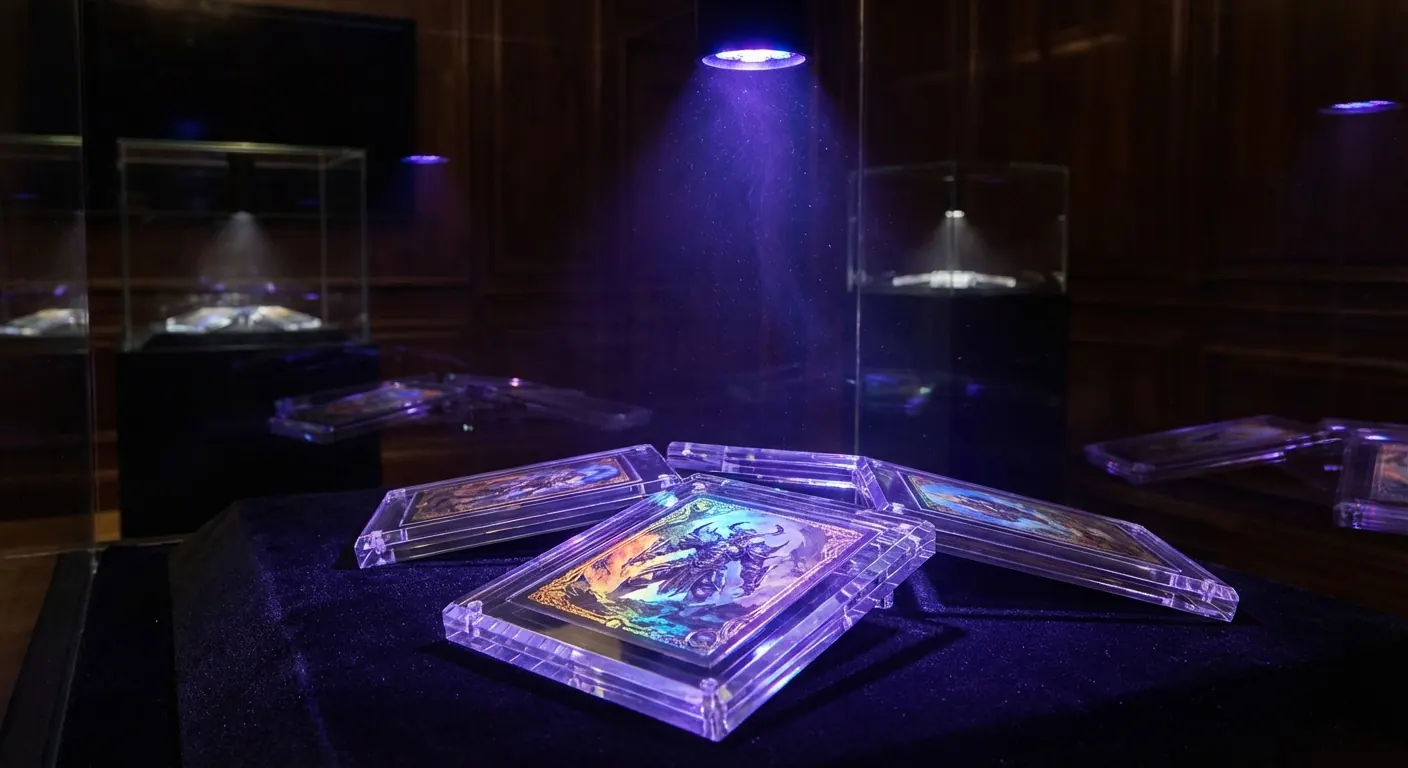
Many collectors use “rare” to mean “expensive.” They are not the same. The list below ranks categories of Pokemon cards by real-world scarcity, not by the symbol printed on the card or one record sale.
10 Rarest Pokemon Card Categories, Ranked
- Unique presentation and prototype cards — one-off or near-one-off cards made for internal presentations rather than retail packs.
- Japanese tournament winner cards — placement-specific No. 1, No. 2, and No. 3 Trainer cards awarded at a single event.
- Illustration-contest prize cards — cards such as Pikachu Illustrator that were awarded to a small group of contest winners.
- Early Tropical Mega Battle promos — invitation-only cards distributed to competitors and staff at late-1990s events.
- Pokemon Snap photo-contest cards — winning artwork printed as cards in extremely small quantities.
- University Magikarp and other limited campaign promos — obtainable only through narrow Japanese contests or qualification events.
- Gem-mint first-print vintage holos — the card itself may exist in quantity, but clean 1st Edition or no-rarity copies are much harder to source.
- EX-era Gold Star cards — low-pull-rate chase cards from sets with limited surviving supply, especially in high grade.
- Neo-era Shining and e-Reader Crystal cards — scarce pack pulls from eras where condition-sensitive foil is difficult to preserve.
- Modern short-print pattern variants — Master Ball and comparable variants can be scarce within a set, but generally have deeper supply than true trophy cards.
This is a practical ranking, not a claim that every card in tier 7 is rarer than every card in tier 8. Population, condition, language, and exact print run can reverse individual cases.
Scarcity Framework (Use This First)
A card is usually “truly rare” when most of these are true:
- Hard to pull or limited print context
- Strong demand that lasts beyond hype cycles
- Thin availability in clean condition
- Consistent transaction activity at meaningful prices

Rarity Label vs Real Scarcity
- Rarity label = print category
- Market value = current buyer demand
- Scarcity = how hard quality copies are to source
You need all three to evaluate long-term hold strength.
High-Rarity Cards to Review
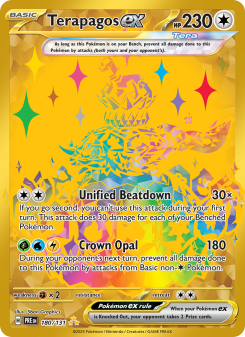
Terapagos ex
Prismatic Evolutions
€9.74
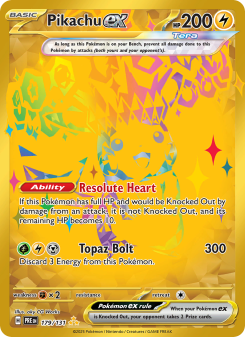
Pikachu ex
Prismatic Evolutions
€61.69

Walking Wake ex
Prismatic Evolutions
€6.80
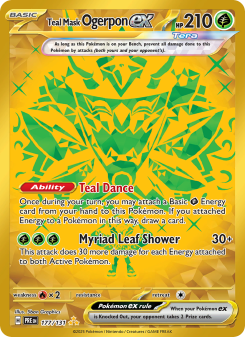
Teal Mask Ogerpon ex
Prismatic Evolutions
€7.88

Iron Leaves ex
Prismatic Evolutions
€6.45
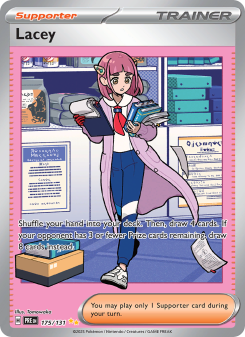
Lacey
Prismatic Evolutions
€25.35

Kieran
Prismatic Evolutions
€29.61
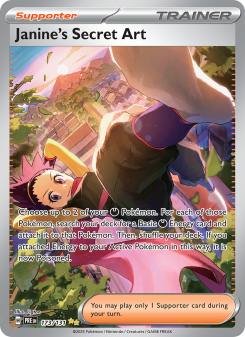
Janine's Secret Art
Prismatic Evolutions
€24.89
High-Value Monitoring List
🏆 High-Value Cards Worth Monitoring
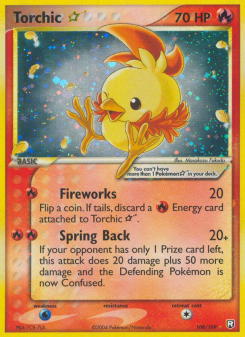
Torchic ☆
Team Rocket Returns
€15307.50
Rare
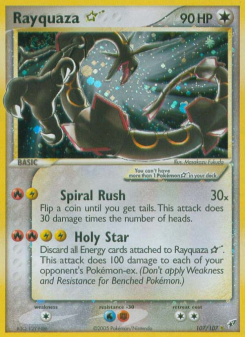
Rayquaza ☆
Deoxys
€10000.00
Rare
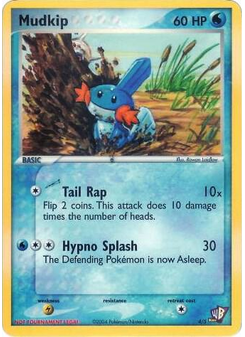
Mudkip
Poké Card Creator Pack
€8500.00
Common
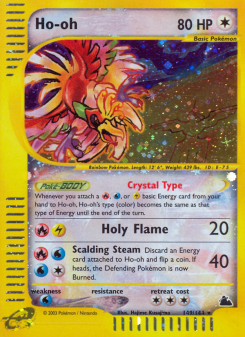
Ho-oh
Skyridge
€8038.38
Rare
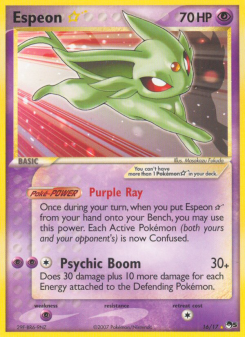
Espeon ★
POP Series 5
€8000.00
Rare
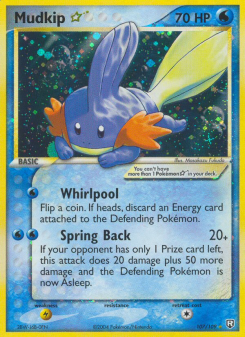
Mudkip ☆
Team Rocket Returns
€7979.99
Rare
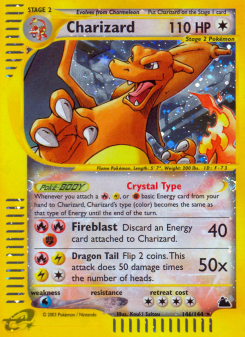
Charizard
Skyridge
€6146.85
Rare
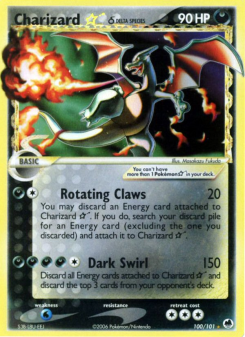
Charizard ☆ δ
Dragon Frontiers
€5588.00
Rare
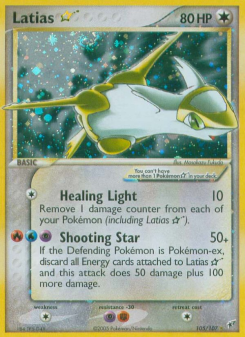
Latias ☆
Deoxys
€5349.50
Rare
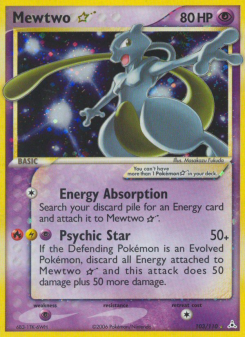
Mewtwo Star
Holon Phantoms
€4642.13
Rare
Before You Buy Any “Rare” Card
- Verify exact variant and numbering.
- Check condition quality from multiple photos.
- Compare market context, not one listing.
- Avoid buying right after a sharp spike.
Related Pages
Bottom Line
In 2026, rare Pokemon cards are defined by real scarcity plus durable demand. Use a scarcity framework, not rarity labels alone.
Find Rare Cards Faster
Use Eyevo to identify variants and compare market pricing in seconds.
Pokemon TCG Card Scanner
Pokemon TCG Card Scanner Know Exactly What It’s Worth.
Eyevo identifies the card, lets you confirm the printing and grade, and shows available raw, graded, and sold prices. Recognition works offline once the card data is downloaded.
- Exact Printing
- Raw + Graded Prices
- Works Offline