Pokemon Card Rarity Symbols Explained: From Common to Hyper Rare
Every Pokemon card has a small symbol in the bottom corner that tells you how rare it is. Understanding these symbols is the first step to knowing which cards in your collection actually matter.
Here’s the complete breakdown of Pokemon card rarity — from worthless commons to chase cards worth thousands.
The Basic Rarity Symbols
These three symbols have been on Pokemon cards since the beginning:
Circle — Common
The most frequently printed cards in any set. You’ll pull dozens of these from a booster box.
What it means: Basic Pokemon, simple trainers, energy cards. Usually worth a few cents at most.
Exception: Some old commons from Base Set or promos can have collector value, but it’s rare.
Diamond — Uncommon
Slightly harder to pull than commons, but still very plentiful.
What it means: Stage 1 Pokemon, useful trainer cards. Typically worth 10-50 cents unless it’s a playable card in the competitive meta.
Star — Rare
The baseline for cards that might actually be worth something.
What it means: Fully evolved Pokemon, powerful trainers. This is where value starts — but a regular rare is usually still under $1-2.
Holo Rares and Above
Once you get past the basic star, things get more interesting.
Holo Rare
A rare card with a holographic (shiny, reflective) pattern on the artwork. In vintage sets, holos were the chase cards. In modern sets, they’re common but still look cool.
Pull rate: Roughly 1 in 3 packs Value: $1-10 for most, but vintage holos can be worth hundreds or thousands
Reverse Holo
The card has holographic foil on everything except the artwork. Every pack contains one reverse holo slot.
Value: Usually similar to or slightly above the non-holo version. Some collectors prefer them for binder aesthetics.
Modern Ultra Rares
Pokemon has added many rarity tiers over the years. Here’s the current hierarchy:
Pokemon ex (lowercase)
Cards featuring powerful Pokemon with the “ex” designation. When knocked out, the opponent takes two prize cards.
Visual: Usually standard art with a burst or glow effect Pull rate: A few per booster box Value: $2-20 depending on the Pokemon
Full Art
The artwork extends to the edges of the card with no standard border. Features textured holofoil.
Visual: Artwork fills the entire card Pull rate: 1-3 per booster box Value: $5-50+ depending on popularity
Special Art Rare / Illustration Rare
The most sought-after cards in modern sets. Features unique artwork that tells a story or shows Pokemon in scenic settings.
Visual: Stunning illustrated artwork, often showing Pokemon in their natural habitat Pull rate: 1-2 per booster box Value: $20-200+ for popular Pokemon like Charizard, Pikachu, Umbreon


Ultra Rare
Powerful cards featuring special mechanics (VMAX, VSTAR in previous eras).
Visual: Dynamic artwork with special patterns Pull rate: Several per booster box Value: Varies wildly, from $3 to $100+
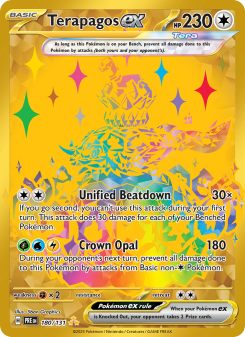
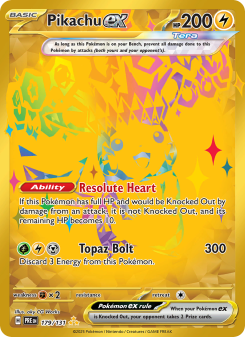
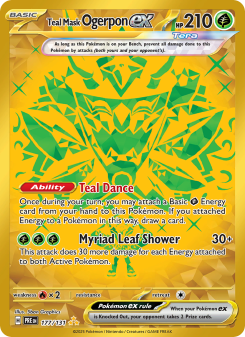
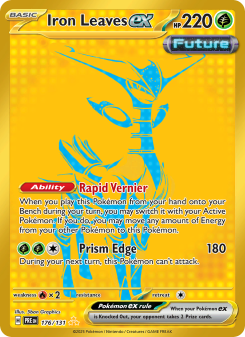
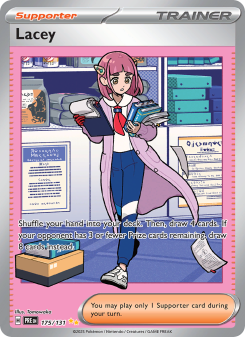
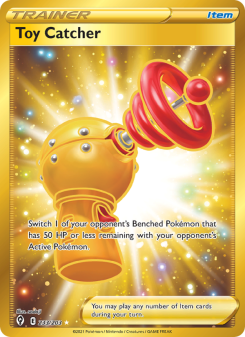
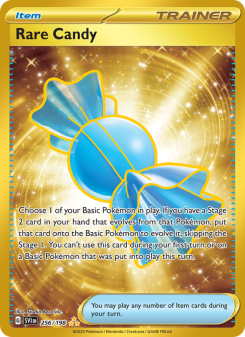
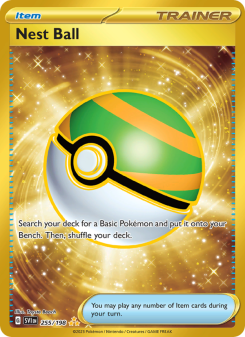
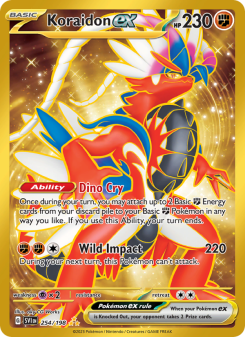
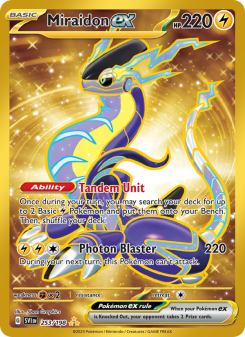
Hyper Rare / Gold Card
Cards printed on gold-colored foil. Usually reprints of trainer items or Pokemon as “gold” versions.
Visual: Distinctive gold color scheme Pull rate: 0-2 per booster box Value: $15-80+ for most, some exceed $200
Vintage Rarity Symbols
Older sets had their own special rarities:
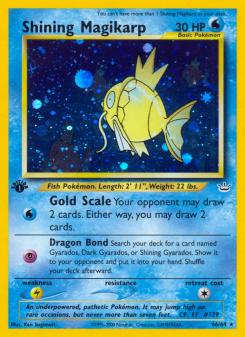
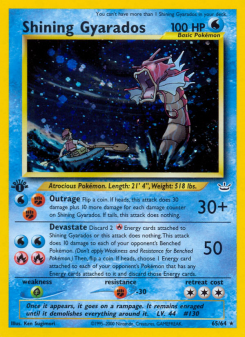
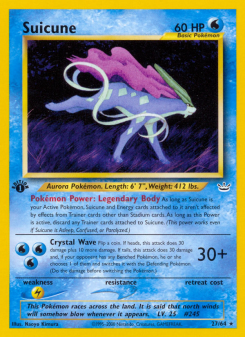
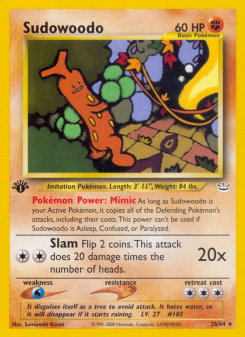
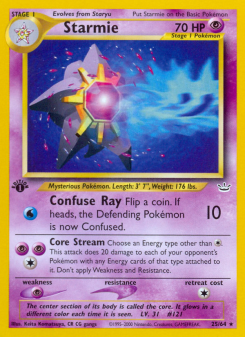
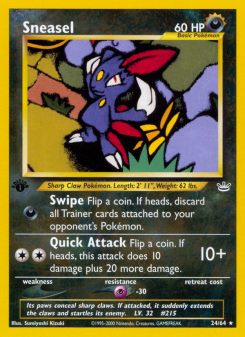
Shining Pokemon (Neo Series)
Cards with “Shining” in the name featuring fully holographic Pokemon.
Sets: Neo Revelation, Neo Destiny Value: $50-500+ depending on Pokemon and condition
Gold Star Pokemon
Extremely rare cards with a gold star next to the name. The Pokemon is shown in an alternate shiny coloration.
Sets: EX era (2004-2007) Value: $100-2,000+ even in played condition
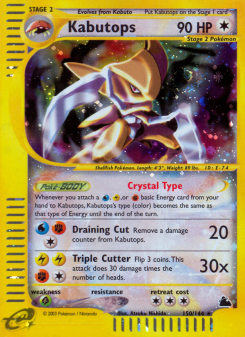
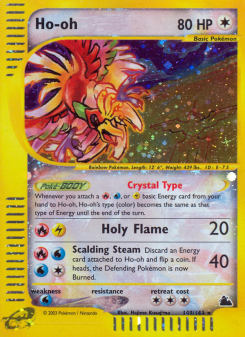
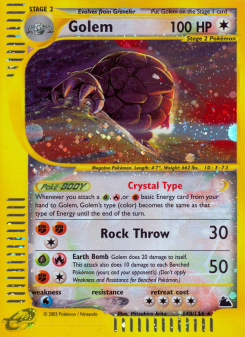
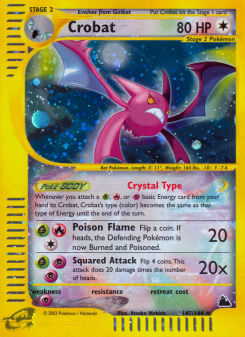
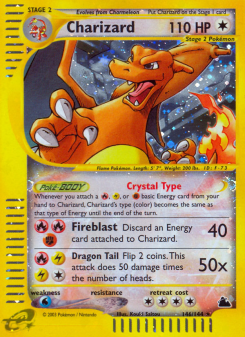
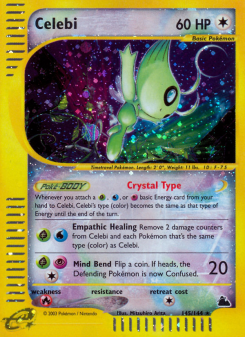
Crystal Type Pokemon
Cards with a crystalline holographic pattern.
Sets: Aquapolis, Skyridge Value: $100-1,000+

Secret Rares
Cards numbered beyond the set’s official count (e.g., 65/64). In vintage sets, these were exceptionally rare.
The “Worth Checking” Quick Reference
When sorting through cards, prioritize based on rarity:
Definitely check prices:
- Gold cards
- Special Art Rares / Illustration Rares
- Full Arts
- Any Charizard
- Vintage holos (1999-2003)
- Gold Star cards
- Shining Pokemon
Might be worth something:
- Regular holos from popular sets
- Playable trainer cards
- Pokemon ex cards
- Reverse holos of rare cards
Probably not valuable:
- Commons and uncommons (circle/diamond)
- Regular non-holo rares
- Energy cards
- Damaged cards of any rarity
How Rarity Affects Value
Here’s the thing: rarity alone doesn’t determine value. A Gold Rare trainer card might be worth $15 while a Special Art Rare Charizard could be $300.
What actually matters:
- Rarity tier — Higher rarity = higher baseline
- Pokemon popularity — Charizard, Pikachu, Eeveelutions command premiums
- Playability — Cards used in competitive decks spike in price
- Art quality — Beautiful illustration rares outsell generic full arts
- Set desirability — Some sets are more collected than others
Identifying Rarity Quickly
When you’re going through a stack of cards:
- Look at the bottom right corner for the rarity symbol
- Check for texture — run your finger across the card. Textured = usually better
- Look for gold coloring — gold cards are always worth checking
- Note the card number — if it’s higher than the set count (e.g., 198/193), it’s a secret rare
- Check the art style — scenic, illustrated art usually indicates Special Art Rare
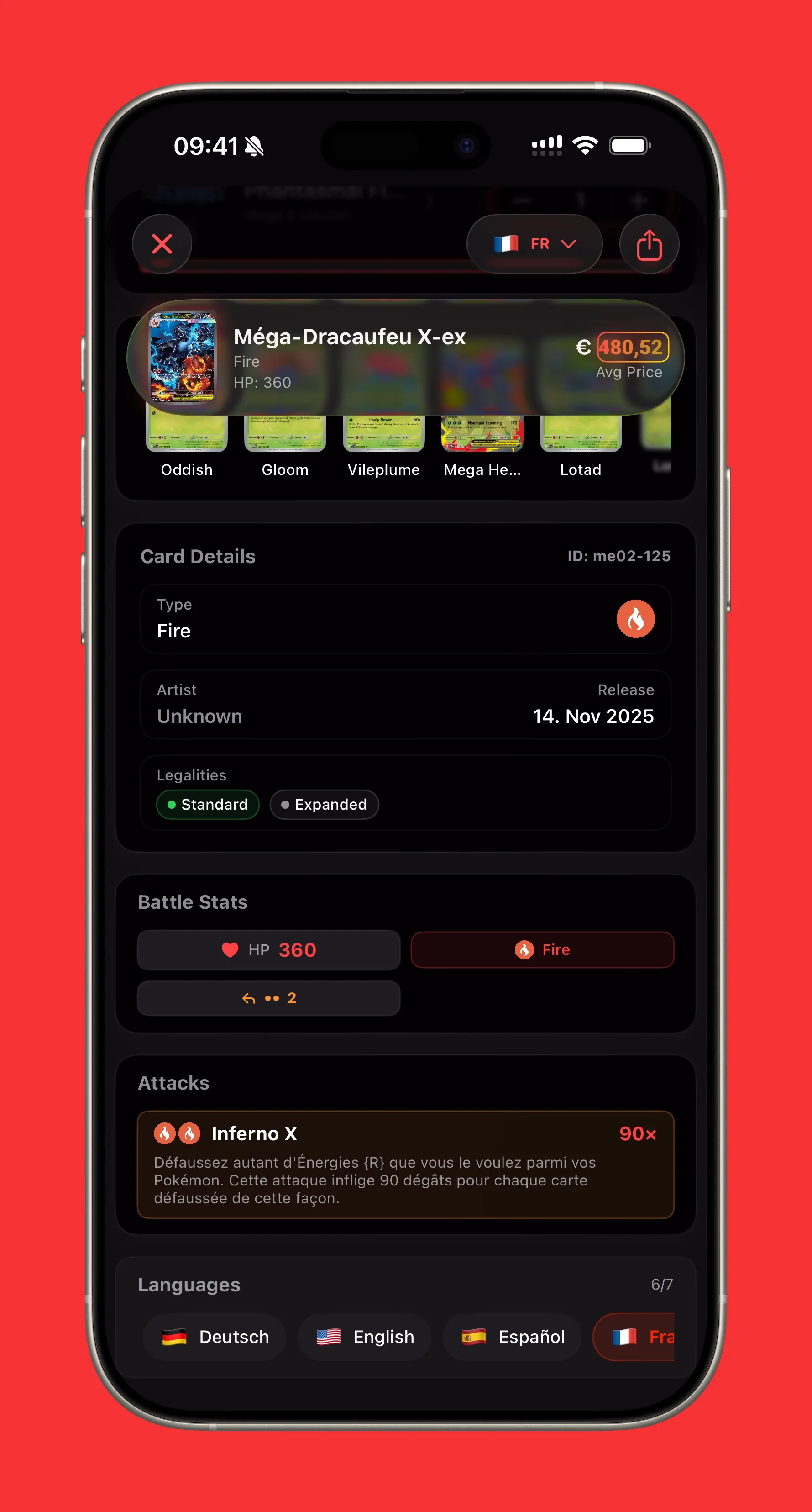
For large collections, manually checking each card takes forever. Eyevo identifies cards in under a second and shows you the rarity, set info, and current market price instantly.
Rarity by Era: What to Look For
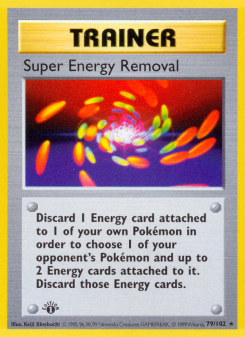
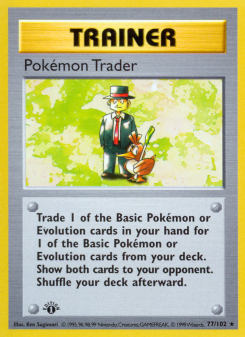
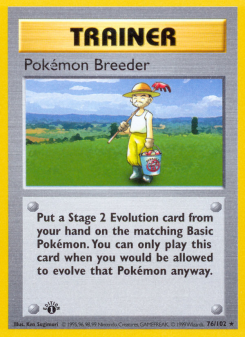
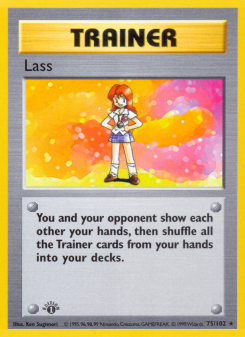
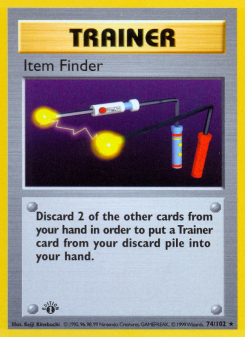
Base Set Era (1999-2000)
- Holos are the chase cards
- 1st Edition stamps multiply value
- Shadowless prints are valuable


e-Card Era (2002-2003)
- Crystal types are rare and valuable
- Reverse holos have unique patterns
- Often overlooked by collectors
EX Era (2003-2007)
- Gold Stars are the holy grail
- ex Pokemon were the ultra rares
- Many undervalued compared to vintage
Diamond & Pearl through Black & White (2007-2013)
- Lv.X and Prime cards
- Secret rares introduced
- Full arts debut near the end
XY through Sun & Moon (2013-2019)
- Full Arts become standard
- Rainbow Rares introduced
- GX and Tag Team cards
Sword & Shield (2020-2023)
- VMAX and VSTAR mechanics
- Alternate Arts become chase cards
- Trainer Gallery subsets






Scarlet & Violet (2023-present)
- Pokemon ex (lowercase) returns
- Special Art Rares / Illustration Rares
- Current peak of art quality



Quick Summary
- Circle = Common (usually worthless)
- Diamond = Uncommon (still low value)
- Star = Rare (baseline for potential value)
- Holo patterns = Worth more than non-holo
- Gold cards, Special Art Rares, Full Arts = Check prices immediately
- Vintage holos and Gold Stars = Potentially very valuable
Rarity gets you in the door, but Pokemon popularity and condition determine the final price. When in doubt, look it up.
Want to quickly identify card rarity and prices? Download Eyevo and scan your cards for instant info.
Scan, Identify & Track Your Pokemon Cards
Lightning-fast card recognition powered by AI. Build your collection, track values, and explore the complete Pokemon TCG database.