Pokemon Card Condition Guide: NM, LP, MP, HP Explained
Card condition determines value more than almost anything else. A Near Mint card can be worth 2-5x a Lightly Played copy of the same card. Here’s how to accurately assess your cards.
🎲Practice: How Would You Grade This Card?
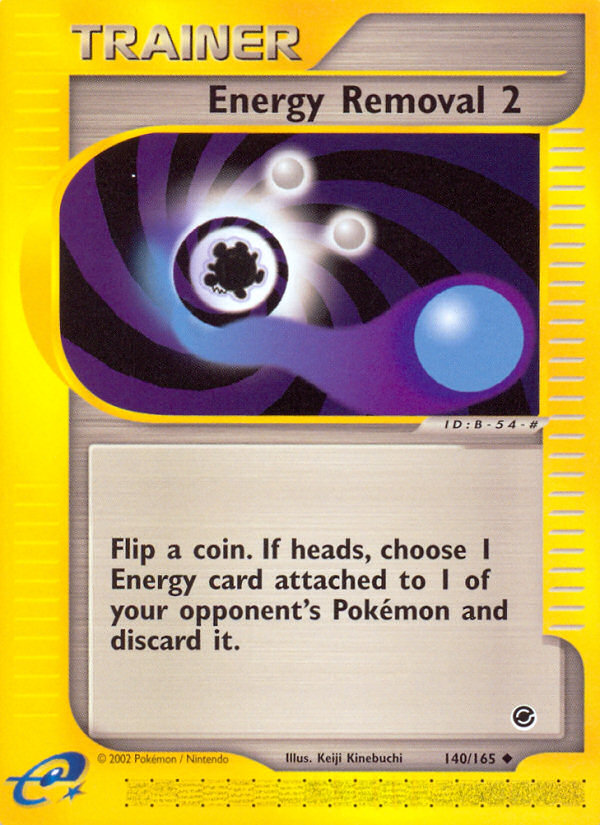
Energy Removal 2
Expedition Base Set • #140
Rarity:Uncommon
Market Price
$1.47
Artist
Keiji Kinebuchi
The Condition Scale
Most marketplaces use these condition grades:
Near Mint (NM)
The card looks like it came fresh from a pack. Minor imperfections only visible under close inspection.
What’s acceptable:
- Slight whitening on one edge (barely visible)
- Minor factory printing lines
- Very light surface scratches only visible at angles
- Centering within 60/40
What disqualifies:
- Any whitening visible at arm’s length
- Surface scratches visible without tilting
- Dents, creases, or bends
- Corner wear
Value impact: Full market price
Lightly Played (LP)
The card has been handled but shows minimal wear. Still looks good in a binder.
What’s acceptable:
- Light whitening on edges
- Minor surface wear visible at angles
- Small scratches on holo
- Slight corner softening
- Centering up to 65/35
What disqualifies:
- Heavy whitening
- Deep scratches
- Creases of any kind
- Noticeable bends
Value impact: 70-85% of NM price
Moderately Played (MP)
Clear signs of use. The card is fully functional but visibly worn.
What’s acceptable:
- Moderate edge whitening
- Surface scratches visible without tilting
- Light holo scratching
- Soft corners
- Minor edge nicks
- Off-center (up to 70/30)
What disqualifies:
- Major creases
- Water damage
- Heavy bends
- Peeling or flaking
Value impact: 40-60% of NM price
Heavily Played (HP)
Significant wear. The card is damaged but still identifiable and complete.
What’s acceptable:
- Heavy whitening and edge wear
- Multiple scratches
- Soft or dinged corners
- Light creases
- Significant surface wear
What disqualifies:
- Tears or missing pieces
- Heavy water damage
- Card is unsleeved/sticky
- Completely illegible text
Value impact: 20-35% of NM price
Damaged
The card has major issues that go beyond heavy play.
Characteristics:
- Creases that affect card structure
- Tears or holes
- Water damage with warping
- Writing or stickers on the card
- Peeling layers
Value impact: 5-15% of NM price, sometimes unsellable
🔍Check Your Cards' Condition Value
Scan to see what your cards are worth at different conditions.
How to Check Condition
Use this checklist to grade your cards:
1. Edges
Hold the card at eye level against a dark background. Look for:
- White spots or lines (whitening)
- Nicks or chips
- Peeling layers
Tip: Check all four edges. One bad edge can drop the grade.
2. Corners
Examine each corner closely. Look for:
- Sharpness (or softening/rounding)
- Whitening at the points
- Bends or dings
- Peeling
Tip: Corners are the most common wear point. Handle cards by the edges.
3. Surface
Use a light source at an angle to reveal:
- Scratches (common on holos)
- Dents or indentations
- Print lines (factory defects)
- Dirt or residue
Tip: Holographic cards show surface wear more easily than non-holos.
4. Centering
Check if the borders are even. Compare:
- Left vs. right border width
- Top vs. bottom border width
Grading centering:
- 55/45 or better = NM acceptable
- 60/40 = LP territory
- 70/30 or worse = MP or lower
Tip: Severe off-centering affects graded card scores significantly.
5. Bends and Creases
Feel the card gently. Look for:
- Creases (permanent lines in the card)
- Bends (card doesn’t lay flat)
- Warping from moisture
Any crease = MP at best, often HP or Damaged
PSA vs. Market Condition
PSA grading and market conditions don’t directly translate:
| PSA Grade | Rough Market Equivalent |
|---|---|
| PSA 10 | Gem Mint (above NM) |
| PSA 9 | Mint/Near Mint |
| PSA 8 | NM with minor issues |
| PSA 7 | NM-/LP+ |
| PSA 6 | LP |
| PSA 5 | LP-/MP+ |
| PSA 4 | MP |
| PSA 3 | MP-/HP+ |
| PSA 2 | HP |
| PSA 1 | Damaged |
A PSA 10 is stricter than “Near Mint.” Cards you’d call NM might grade PSA 8 or 9.
Common Grading Mistakes
Being Too Generous
Most people overgrade their own cards. When in doubt, grade down. Buyers who receive lower-than-described cards leave bad feedback and request refunds.
Ignoring the Back
The back matters just as much as the front. A pristine front with a scratched back is LP at best.
Missing Holo Scratches
Holographic surfaces show wear that’s invisible on non-holo cards. Tilt holos under light before grading.
Overlooking Print Lines
Factory print lines are common and acceptable in small amounts. Heavy print lines can affect grade, but they’re not the same as damage.
Confusing Centering Standards
Modern cards tend to have better centering than vintage. A 60/40 vintage card is more acceptable than the same centering on a modern card.
Condition and Value
Here’s how condition typically affects prices:
| Condition | Value Multiplier |
|---|---|
| NM | 100% (base price) |
| LP | 70-85% |
| MP | 40-60% |
| HP | 20-35% |
| Damaged | 5-15% |
Example: A card worth $100 in NM condition:
- LP: $70-85
- MP: $40-60
- HP: $20-35
- Damaged: $5-15
For expensive cards, the gaps widen. A $1,000 NM card in LP condition might only be worth $600-700.
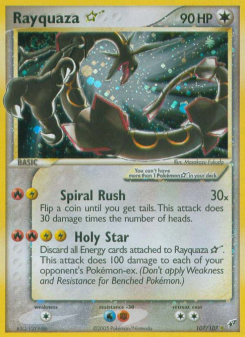
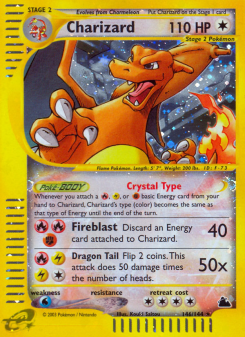
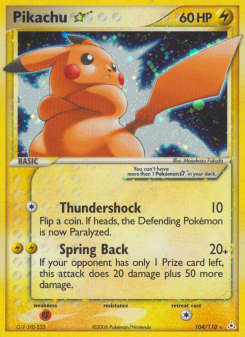
🏆 High-Value Cards Where Condition Matters Most
Protecting Card Condition
Prevent further damage:
Storage
- Use penny sleeves immediately
- Store in top loaders for valuable cards
- Keep in a cool, dry place
- Avoid rubber bands (cause dents)
Handling
- Hold cards by the edges
- Don’t shuffle valuable cards
- Wash hands before handling
- Work on a clean, soft surface
Display
- Use UV-protected cases for display
- Avoid direct sunlight
- Monitor humidity levels
When Condition Doesn’t Matter
Some situations where condition is less important:
- Bulk lots — Sold by weight/count, not individual condition
- Personal collection — You’re keeping it, not selling
- Playable cards — Tournament players care about legality, not grade
- Common cards — A $0.10 card isn’t worth grading carefully
Quick Reference
Near Mint: Looks pack-fresh at arm’s length Lightly Played: Minor wear, still displays well Moderately Played: Obvious wear, fully functional Heavily Played: Significant damage, still complete Damaged: Major issues, may be unsellable
When selling, always err on the side of grading lower. A buyer who receives a card in better-than-expected condition is happy. The reverse creates problems.
Check Your Collection's Value
Scan your cards with Eyevo to see their current market value. Condition-accurate pricing from TCGPlayer and Cardmarket.
Download on App StoreScan, Identify & Track Your Pokemon Cards
Lightning-fast card recognition powered by AI. Build your collection, track values, and explore the complete Pokemon TCG database.