How to Tell If Your Pokemon Card Is Worth Money
You found an old binder of Pokemon cards. Or maybe you just pulled something shiny from a pack. The question hits immediately: is this thing worth anything?
Here’s the honest answer: most Pokemon cards are worth less than a dollar. But some are worth hundreds, thousands, or even tens of thousands. The difference comes down to a few key factors you can check in under a minute.
The Quick Check (30 Seconds)
Before diving deep, do a fast assessment:
- Is it holographic? Cards that shimmer or have special textures are more likely to have value
- Is it from an old set? Pre-2000 cards (Base Set, Jungle, Fossil) have collector demand
- Is it a popular Pokemon? Charizard, Pikachu, and Mewtwo command premiums
- What’s the rarity symbol? Stars and special symbols indicate higher rarity
If your card checks multiple boxes, it’s worth investigating further.
Check the Rarity Symbol
Every Pokemon card has a rarity symbol in the bottom right corner:
- Circle = Common (usually worth pennies)
- Diamond = Uncommon (still very low value)
- Star = Rare (potential value here)
- Star H or Prism Star = Holo Rare (better chance of value)
- Gold Star, Crown, Special symbols = Ultra Rare+ (check prices immediately)
Modern sets have additional rarity tiers: V, VMAX, VSTAR, ex, and Illustration Rares. These special cards are where the money usually is.
Look Up the Actual Price
Rarity symbols tell you potential. Market prices tell you reality.
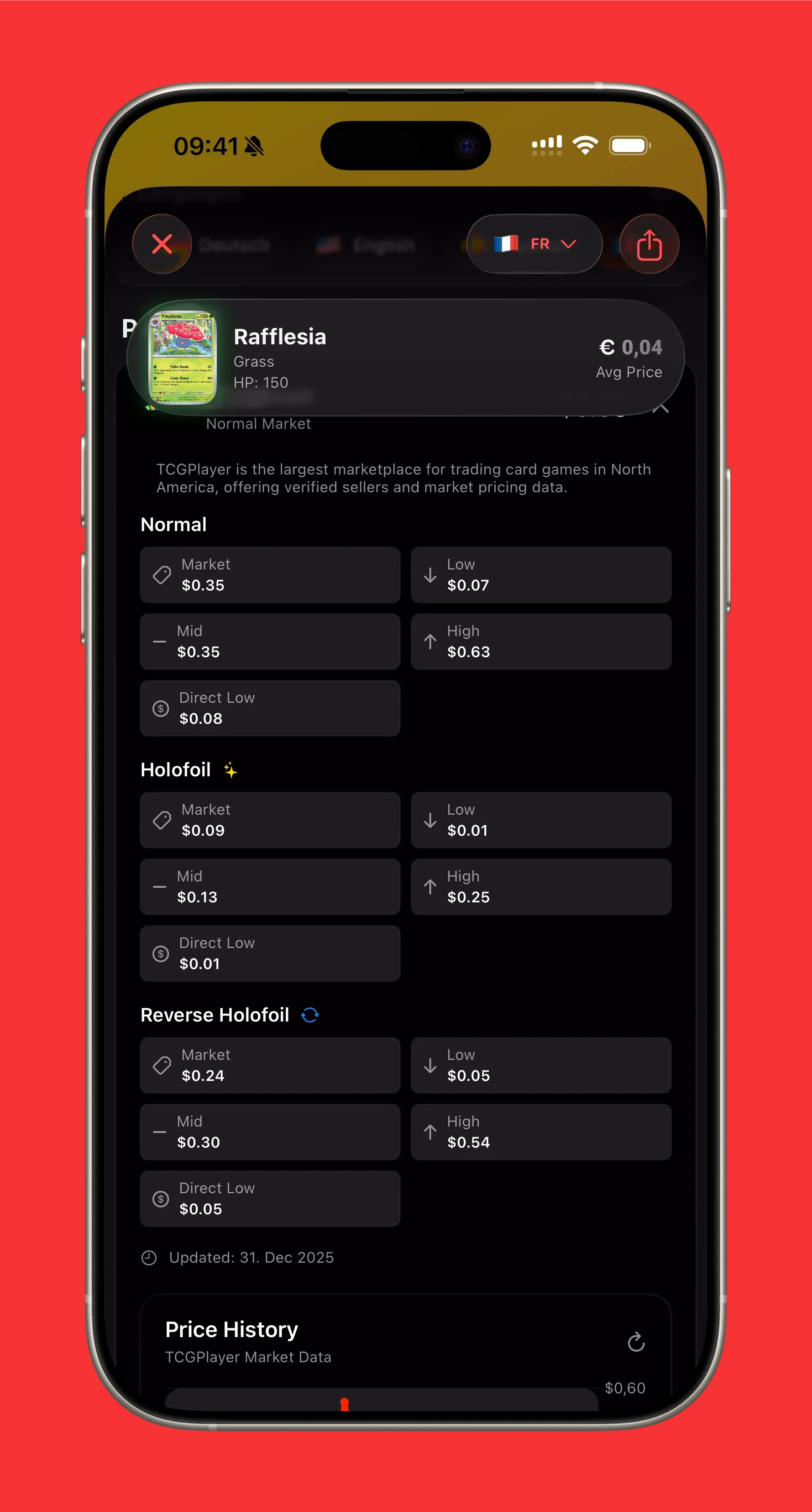
The two main price references are:
TCGPlayer (US market)
- Most accurate for North American values
- Shows recent sales, not just listings
- Separate prices by condition
Cardmarket (European market)
- Standard for EU collectors
- Prices in Euros
- Often lower than TCGPlayer for the same card
Check both if you’re unsure. A card worth $50 on TCGPlayer might be €30 on Cardmarket.
Factors That Affect Value
Two copies of the same card can have wildly different values. Here’s what matters:
1. Condition
Condition is everything in the Pokemon card market:
- Mint/Near Mint: Full value
- Light Play: 70-80% of value
- Moderate Play: 40-60% of value
- Heavy Play: 20-30% of value
- Damaged: Often unsellable except for personal collections
Check for:
- Whitening on edges
- Surface scratches (use a light at an angle)
- Corner wear
- Centering issues
- Creases or bends
2. Edition and Print Run
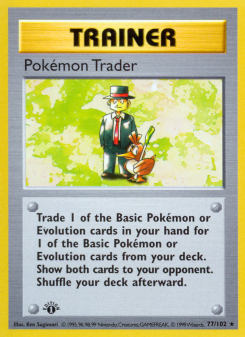
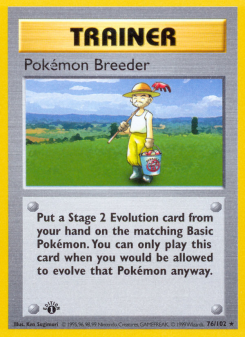
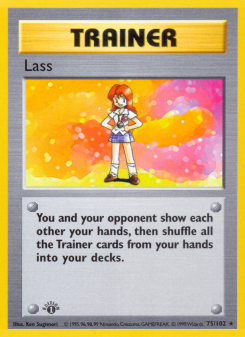
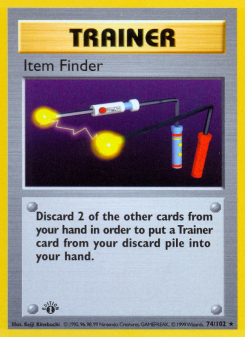
First Edition cards from early sets are worth significantly more than Unlimited prints. Look for the “1st Edition” stamp on the left side of the card.
Shadowless Base Set cards (no shadow under the picture frame) also command premiums.
3. Language
English cards typically have the highest demand in Western markets. Japanese cards have their own collector base and can be valuable, especially vintage and special promos.
4. Graded vs Raw
A PSA 10 graded card can be worth 5-10x (or more) than the same card ungraded. But grading costs money and time, so it only makes sense for cards worth $50+ raw.
Cards Most Likely to Have Value
If you’re going through an old collection, prioritize checking:
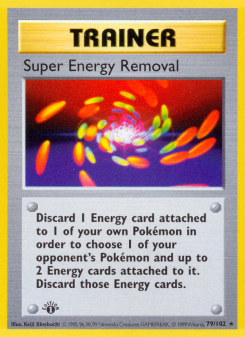
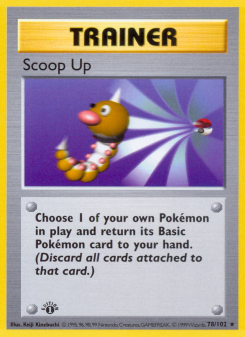
Vintage (1999-2003)
- Base Set Charizard (especially 1st Edition or Shadowless)
- Base Set holos in general
- Gold Star cards from EX era
- Shining Pokemon from Neo series
Modern (2020+)
- Alternate Art cards
- Special Art Rares / Illustration Rares
- Charizard cards from any set
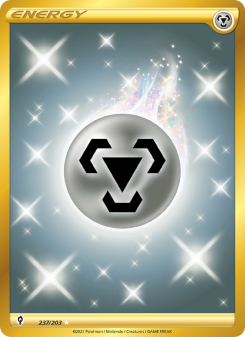
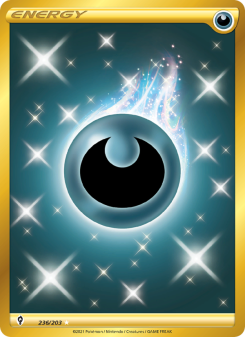
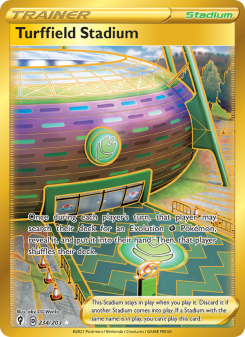
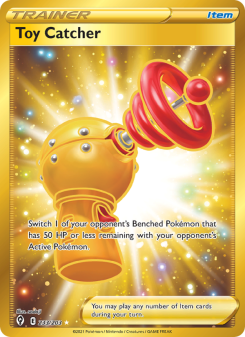
- Gold cards
- Trainer Gallery cards


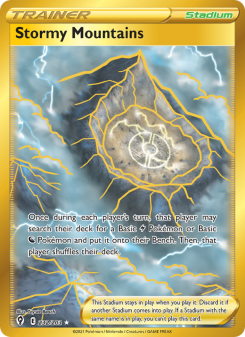
Always Valuable
- Sealed products (even recent ones appreciate)
- Error cards and misprints
- Trophy cards and prize cards
- Promo cards with limited distribution
Red Flags: Cards That Look Valuable But Aren’t
Don’t get too excited about:
- World Championship deck cards (have different backs, not tournament legal, worth very little)
- Jumbo oversized cards (promos, usually $1-5)
- Common cards from valuable sets (a common from Base Set is still just a common)
- Replica or fake cards (more common than you’d think)
The Fastest Way to Check Value
If you have a stack of cards to check, manually searching each one takes forever.
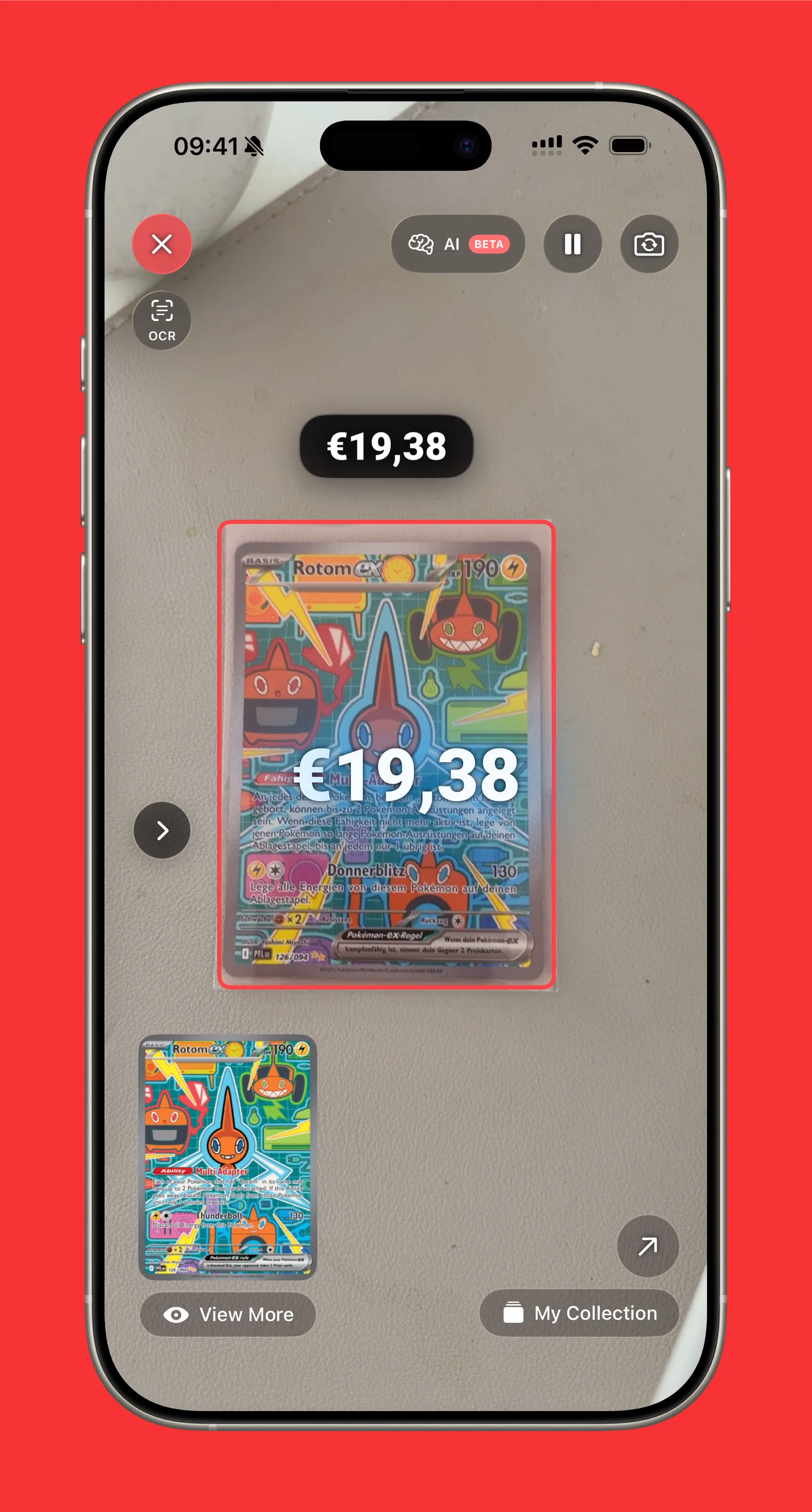
I built Eyevo specifically for this. Point your camera at a card, get instant identification and current market prices from TCGPlayer and Cardmarket. Takes under a second per card.
You can scan through a whole binder in minutes instead of hours of manual lookups.
What To Do If You Find Something Valuable
Found a card worth real money? Here’s the smart approach:
- Stop handling it — Oils from your fingers damage cards over time
- Sleeve it immediately — A penny sleeve at minimum, ideally a toploader too
- Document the condition — Take clear photos in good lighting
- Research the right selling platform — eBay for rare cards, TCGPlayer for mid-range, local shops for quick cash
- Consider grading — For cards worth $100+ raw, professional grading often increases value significantly
Quick Summary
- Most cards aren’t worth much, but some are worth a lot
- Check rarity symbols first (stars and special symbols = potential value)
- Look up actual prices on TCGPlayer or Cardmarket
- Condition matters massively — mint cards are worth much more
- Vintage holos and modern alternate arts are where the money is
- Use a scanner app to check collections quickly
The Pokemon card market changes constantly. A card worth $10 today could be $50 next month after a tournament win or $5 after a reprint. When in doubt, check current prices before selling.
Got a collection to check? Download Eyevo and scan your cards to see what they’re worth.
Scan, Identify & Track Your Pokemon Cards
Lightning-fast card recognition powered by AI. Build your collection, track values, and explore the complete Pokemon TCG database.